
Stuck Inside Your Garage? Here's What to Do
It usually happens at the worst possible time. The power goes out during a storm, your garage door opener stops responding, and you need to get your car out for work. You pull the emergency release cord, grab the bottom of the door, and… nothing. It won't move.
A garage door that won't open manually is more than an inconvenience — it can leave you stranded and signal a serious mechanical problem. For homeowners in Highland, MI, where winter storms and power outages are a regular reality, knowing how to handle this situation is essential.
In this guide, we'll walk you through the proper steps for manually opening your garage door, explain the most common reasons it might refuse to cooperate, and help you figure out when it's time to call a professional.
How to Manually Open Your Garage Door
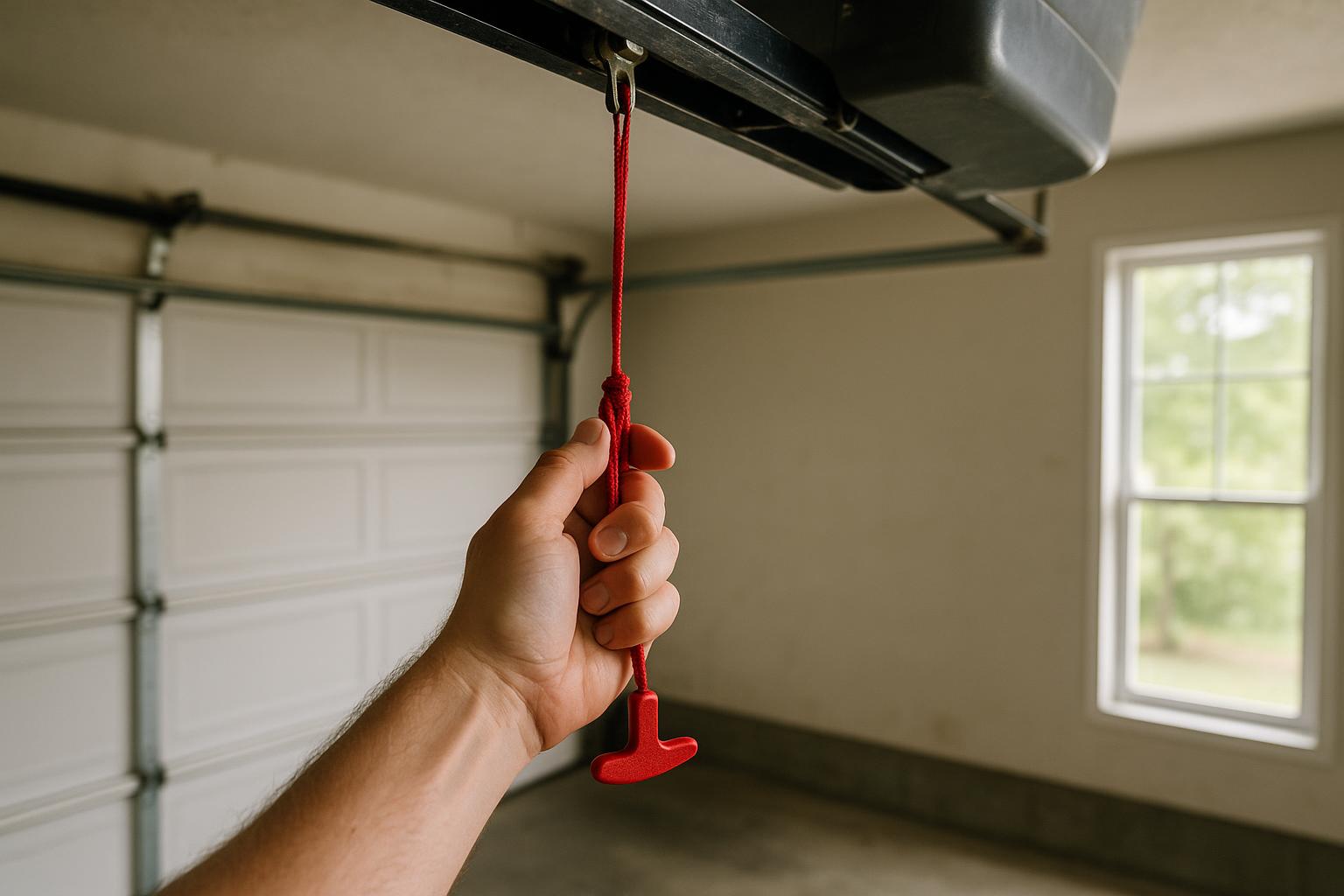
Every automatic garage door has a manual release mechanism — typically a red cord hanging from the opener rail near the top of the door. This cord disconnects the door from the motorized opener so you can operate it by hand. Here's the right way to use it:
- Make sure the door is fully closed. Never pull the emergency release when the door is open or partially open, especially if you suspect a broken spring. The door could come crashing down under its own weight.
- Pull the emergency release cord. Pull it down and toward the back of the garage. You should hear a click as the trolley disconnects from the opener carriage.
- Lift the door from the bottom. Grip the door at the bottom panel with both hands and lift straight up. A properly balanced door should feel relatively light — around 10 to 15 pounds of effort, even for a heavy door.
- Secure the door in the open position. If you need to leave the door open, make sure it stays up on its own. If it slides back down, that's a sign of a balance or spring issue, and you should avoid using the door until it's inspected.
Common Reasons Your Garage Door Won't Open Manually
If you've pulled the release cord and the door still won't budge, something else is going on. Here are the most likely culprits:
Broken Torsion or Extension Springs
Your garage door springs do the heavy lifting — literally. They counterbalance the weight of the door so it can be opened with minimal effort. When a spring breaks, the full weight of the door (which can be 150 to 250 pounds or more) rests on your arms. Most people physically cannot lift a garage door with broken springs, and attempting to do so is dangerous.
If you heard a loud bang from your garage recently, that was likely a spring snapping. Do not try to force the door open. This is a repair that requires professional tools and expertise.
The Door Is Locked
It sounds obvious, but it's easily overlooked. Many garage doors have a manual lock — a slide bolt or latch built into the door itself. If someone engaged the lock, the door won't move regardless of what you do with the emergency release. Check both sides of the door for a lock mechanism and disengage it before trying again.
Obstructed or Damaged Tracks
Your garage door travels along metal tracks on either side. If those tracks are bent, dented, or clogged with debris, the rollers can't move freely and the door will jam. Visually inspect the tracks from top to bottom. Look for obvious bends, gaps between the track and the wall, or objects stuck in the path.
Rust and Lack of Lubrication
Highland homeowners know that Michigan's humidity and temperature swings take a toll on metal components. Over time, rollers, hinges, and tracks can develop rust and corrosion that creates enough friction to make the door extremely difficult to move. Regular lubrication with a silicone-based garage door spray can prevent this, but once rust has set in deeply, parts may need to be replaced.
The Release Mechanism Didn't Fully Disengage
Sometimes the emergency release cord doesn't completely disconnect the trolley from the opener. Try pulling the cord again firmly, making sure you hear the click. If the mechanism is worn or damaged, it may not release properly, keeping the door tethered to a non-functioning opener.
The Door Is Off Its Tracks
If a roller has popped out of the track, the door can become jammed at an angle. You might notice the door sitting unevenly or one side being higher than the other. Do not force a door that's off its tracks — you can cause further damage to the door and the track system, and the door could fall unpredictably.
What You Should Never Do
When a garage door won't cooperate, frustration can lead to bad decisions. Here are a few things to avoid:
- Don't force the door open. If it's not moving smoothly, forcing it can snap cables, bend tracks, or cause the door to fall.
- Don't try to repair springs yourself. Garage door springs are under extreme tension. A spring that releases unexpectedly can cause severe injury. This is one repair that should always be handled by a trained technician.
- Don't ignore the problem. A door that's hard to open manually won't get better on its own. The underlying issue will worsen over time and could become a safety hazard.
When to Call a Professional
If you've gone through the steps above and your garage door still won't open manually, it's time to bring in help. Specifically, you should call a garage door technician if:
- You suspect a broken spring or cable
- The door is visibly off its tracks
- The tracks are bent or severely damaged
- The door feels extremely heavy when you try to lift it
- You hear grinding, scraping, or popping sounds
At Highland Garage Door Pro, we handle these situations regularly for homeowners across Highland, Milford, White Lake, Waterford, Commerce Township, and Hartland. Whether it's a broken spring, a track realignment, or a full opener replacement, we diagnose the problem quickly and get your door working safely again.
Prevent the Problem Before It Happens
The best way to avoid getting stuck with a garage door that won't open is routine maintenance. A yearly inspection can catch worn springs, rusty rollers, and track issues before they leave you stranded. Here's a quick checklist you can do yourself between professional tune-ups:
- Lubricate rollers, hinges, and springs with a silicone-based spray every few months
- Visually inspect tracks for dents, gaps, or debris
- Test the manual release cord periodically so you know it works
- Listen for unusual sounds during normal operation — squealing, grinding, or banging can signal trouble
- Test the door's balance by disconnecting the opener and lifting the door halfway. It should stay in place. If it falls, your springs may need attention.
Taking a few minutes for these checks can save you from an emergency situation down the road — especially during a Highland winter when you can't afford to be locked in or out of your garage.
Need Help? We're Here for You
If your garage door won't open manually and you're not sure what's wrong, don't risk injury or further damage by guessing. Contact Highland Garage Door Pro for fast, reliable service. We'll get to the bottom of the issue and have your door operating safely again — so the next time the power goes out, you're prepared.